Address:
Shenzhen Bao'an District Xinqiao Subdistrict Huangpu Community Huangpu East Ring Road No. 504 Shenzhen Yuan Industrial City Building C
Work Hours:
Monday to Friday: 9AM - 21PM
Weekend: 9AM - 21PM

Address:
Shenzhen Bao'an District Xinqiao Subdistrict Huangpu Community Huangpu East Ring Road No. 504 Shenzhen Yuan Industrial City Building C
Work Hours:
Monday to Friday: 9AM - 21PM
Weekend: 9AM - 21PM

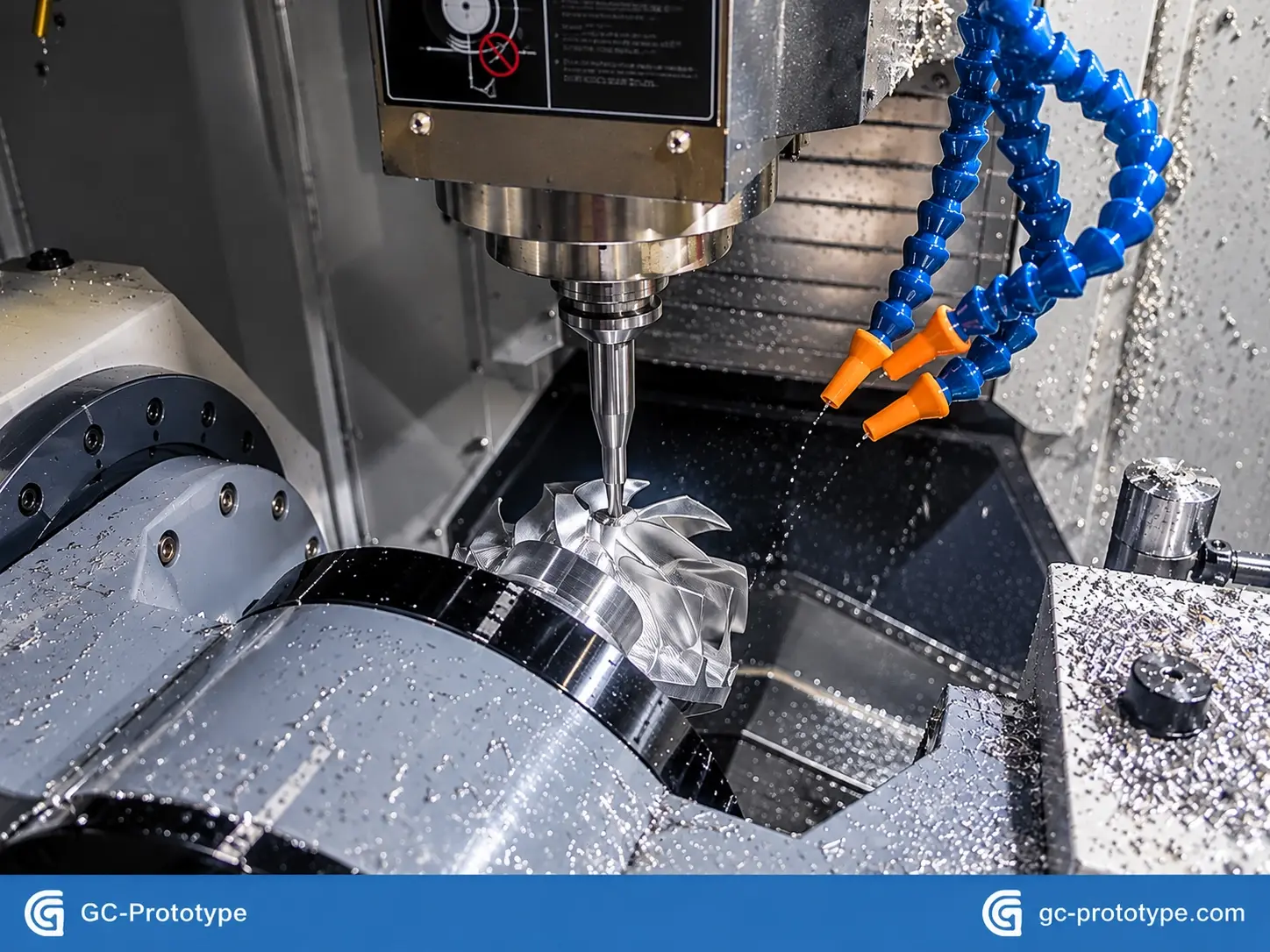
A reliable functional prototype service helps engineering teams validate mechanical fit, material performance, and assembly reliability before investing in production tooling. Whether developing 3d prototypes for early design evaluation or using CNC machining and prototype laser cutting for functional metal components, selecting the right manufacturing process can reduce development risks, unnecessary costs, and engineering delays.
During new product introduction (NPI), a prototype must often do more than demonstrate appearance. It may need to withstand mechanical loads, repeated movement, thermal cycling, fluid pressure, or demanding assembly conditions.
For Mechanical Engineers, R&D Managers, Product Development Engineers, and B2B Procurement Managers, the challenge is choosing a manufacturing method that produces meaningful engineering results without exceeding the project budget.
This guide explains functional prototype manufacturing methods, material selection, engineering testing, dimensional tolerances, production costs, DFM optimization, and the transition from CAD development to low-volume and mass production.
A functional prototype is a physical component or assembly designed to evaluate how a product performs under conditions representative of its intended application.
Unlike a visual model, a functional prototype must demonstrate relevant mechanical, electrical, thermal, or operational characteristics.
Functional prototypes are commonly used in:
Automotive and electric vehicle development
Robotics and industrial automation
Medical equipment manufacturing
Aerospace components
Consumer electronics
Industrial machinery
Visual prototypes primarily evaluate appearance, overall dimensions, ergonomics, and packaging.
Functional prototypes focus on performance.
For example, a visual robotic joint housing may demonstrate the intended shape, while a functional CNC-machined aluminum housing can be tested for bearing alignment, structural stiffness, and assembly accuracy.
Similarly, a medical equipment component may require a specific engineering plastic to evaluate wear, chemical resistance, or sterilization compatibility.
Functional testing allows engineering teams to identify design weaknesses before committing to production tooling.
Common validation objectives include:
Mechanical strength
Dimensional accuracy
Assembly compatibility
Thermal performance
Repeated movement
Environmental resistance
Discovering a design problem during prototyping can be significantly less expensive than modifying production tooling after launch.
However, a prototype must accurately represent the characteristics being tested. Material properties, manufacturing methods, and assembly conditions should be selected accordingly.
Different manufacturing technologies provide different advantages for functional prototype development.
Selecting the correct method depends on geometry, material, quantity, tolerances, and testing requirements.
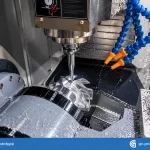
CNC machining manufactures components by removing material from solid metal or engineering plastic stock.
It is particularly suitable for functional components requiring:
Precision bearing interfaces
Tight assembly tolerances
Structural strength
Smooth sealing surfaces
Reliable threaded connections
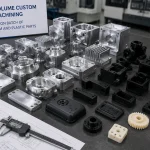
Common materials include aluminum, stainless steel, titanium, ABS, POM, PEEK, and nylon.
Three-axis CNC machining is suitable for many conventional parts, while five-axis machining provides additional flexibility for complex geometries and angled features.
For prototypes requiring production-intent material properties, CNC machining is often an effective choice.
3d prototypes allow engineers to evaluate geometry, packaging, and selected functional requirements without dedicated manufacturing tooling.
Common 3D printing technologies include:
SLA for detailed resin prototypes
SLS for functional polymer components
MJF for engineering plastic prototypes
Metal additive manufacturing for complex metal geometries
3D printing is especially valuable when designs change frequently or include internal structures that are difficult to machine.
However, material properties depend on the printing technology, build orientation, and post-processing conditions.
For demanding mechanical tests, engineers should confirm that the selected printed material is representative of the intended application.
Prototype laser cutting is an efficient method for producing sheet metal parts without dedicated cutting dies.
The process uses a focused laser beam to cut metal sheets into precise profiles.
Typical applications include:
Sheet metal brackets
Electronic enclosures
Automotive mounting plates
Industrial equipment panels
Structural sheet metal components
Laser cutting is commonly combined with CNC bending, welding, and hardware insertion to produce complete functional assemblies.
Its main limitation is that laser cutting alone produces sheet profiles rather than fully machined three-dimensional components.
Vacuum casting is useful for producing small batches of plastic-like prototype components using silicone molds and casting resins.
Rapid injection tooling becomes attractive when engineers need parts produced using an actual injection molding process.
These options may provide better economics for certain repeat quantities, although tooling cost and material properties must be considered.
| Manufacturing Method | Best Application | Main Advantage | Main Limitation |
| CNC Machining | Precision metal/plastic parts | Accuracy and material selection | Limited internal tool access |
| 3D Printing | Complex prototypes | Fast design changes | Process-dependent properties |
| Prototype Laser Cutting | Sheet metal components | No dedicated cutting die | Mainly sheet profiles |
| Vacuum Casting | Small batches of plastic-like parts | Repeatable geometry | Limited mold life |
| Rapid Injection Tooling | Production-intent plastic parts | Actual molding process | Initial tooling investment |
The best solution may combine several processes within the same prototype assembly.
Material selection directly influences prototype reliability.
A component manufactured from the wrong material may fit correctly but fail during mechanical or environmental testing.
Aluminum alloys such as 6061-T6 and 7075-T6 are commonly selected for lightweight structural components.
Applications include:
Robotic actuator housings
Automotive brackets
Electronic enclosures
Precision mechanical supports
Stainless steel is attractive for components requiring strength, corrosion resistance, or repeated mechanical loading.
Typical applications include fluid-handling components, industrial equipment, and medical instruments.
Engineering plastics provide alternatives when low weight, electrical insulation, or friction performance is important.
ABS is commonly used for economical housings.
POM offers good machinability and low friction, making it suitable for bushings and gears.
Nylon provides toughness and wear resistance but may absorb moisture and change dimensions.
PEEK provides high-temperature and chemical resistance for demanding applications, although its material cost is significantly higher.
| Material | Main Advantage | Typical Application | Relative Cost |
| Aluminum 6061 | Lightweight, machinable | Housings, brackets | Low–Medium |
| Stainless Steel | Strength, corrosion resistance | Mechanical components | Medium |
| Titanium | High strength-to-weight ratio | Aerospace, medical parts | High |
| ABS | Economical | Housings, covers | Low |
| POM / Delrin | Low friction | Gears, bushings | Low–Medium |
| Nylon | Toughness, wear resistance | Mechanical guides | Medium |
| PEEK | Heat and chemical resistance | Specialized functional parts | High |
Cost classifications are relative and depend on grade, geometry, stock availability, and manufacturing requirements.
For functional validation, engineers should prioritize appropriate material performance over minimum material price.
A functional prototype should be designed around specific engineering questions.
Different tests require different materials, geometries, and manufacturing processes.
A prototype should verify whether individual components fit together correctly.
Critical features may include:
Bearing bores
Locating holes
Sliding interfaces
Sealing surfaces
Threaded connections
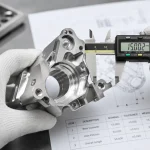
For precision CNC prototypes, engineers should identify functional tolerances using engineering drawings and GD&T.
Tolerances should reflect actual assembly requirements rather than applying extreme precision to every feature.
Mechanical testing evaluates whether a component can withstand intended loads.
Depending on the application, testing may include:
Static loading
Repeated mechanical cycling
Torque testing
Impact testing
Fatigue testing
For example, a robotic joint housing may need to withstand repeated actuator loads.
A functional prototype manufactured from the intended aluminum alloy can provide meaningful data about stiffness and structural performance.
Some products operate under demanding environmental conditions.
Examples include:
EV components exposed to temperature changes
Industrial enclosures subjected to vibration
Medical equipment requiring cleaning or sterilization
Outdoor sensors exposed to moisture
Functional prototypes help engineers identify possible problems involving thermal expansion, sealing, material degradation, or mechanical movement.
A prototype may validate selected aspects of the design, but it does not automatically prove production readiness.
For example, a CNC-machined housing can verify dimensions and mechanical fit.
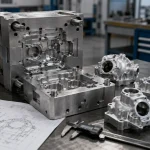
If the final product will be die cast, additional validation may be required because cast material properties and production characteristics can differ from machined stock.
Engineering teams should therefore define the prototype’s test objectives before manufacturing begins.
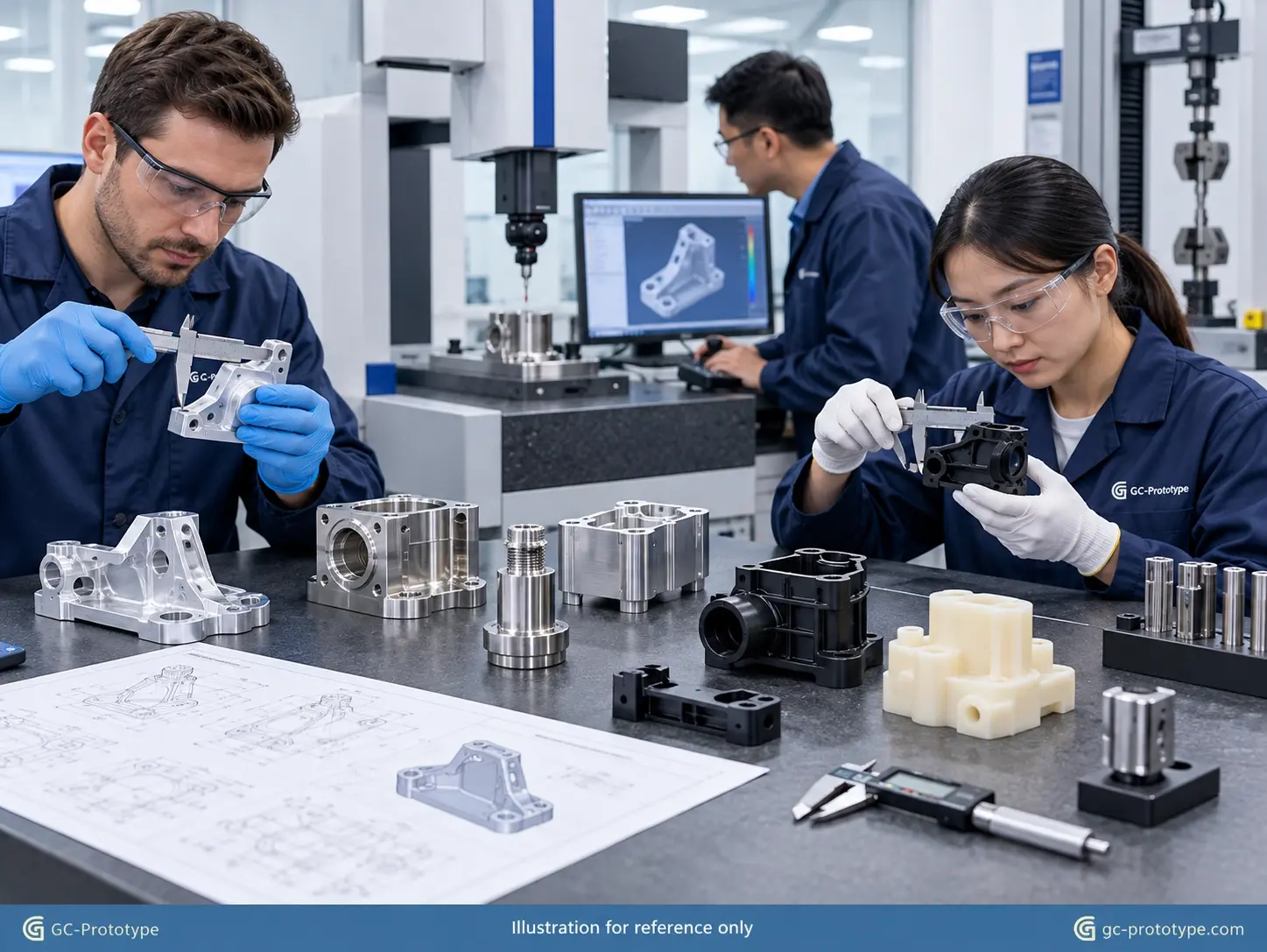
Functional prototype manufacturing costs depend on materials, geometry, quantity, tolerances, and processing requirements.
For B2B procurement teams, understanding these factors helps avoid unnecessary expenses.
The total cost of a prototype may include:
Raw material
CAD/CAM programming
Machine setup
CNC machining or printing
Surface finishing
Dimensional inspection
Secondary assembly operations
Complex geometry often increases manufacturing cost because it requires longer machine cycles or additional setups.
Tight tolerances may also require more inspection and finishing operations.
CNC machining commonly includes fixed setup and programming costs.
As quantity increases, those costs are distributed across more components.
Consider an illustrative CNC prototype project with a fixed setup cost of $200 and a variable manufacturing cost of $60 per part.
| Prototype Quantity | Total Manufacturing Cost | Average Unit Cost |
| 1 | $260 | $260.00 |
| 10 | $800 | $80.00 |
| 50 | $3,200 | $64.00 |
| 100 | $6,200 | $62.00 |
This explains why unit costs often decrease as prototype quantities increase.
However, material waste, tool wear, inspection, and finishing can change the cost structure.
CNC machining is often competitive for precision components requiring solid engineering materials.
3D printing may offer lower costs for complex geometries or early design iterations.
Laser cutting is frequently economical for flat sheet metal parts.
The correct method depends on the component’s geometry and functional requirements.
A low initial quotation is not necessarily the lowest total development cost if the prototype cannot provide reliable engineering results.
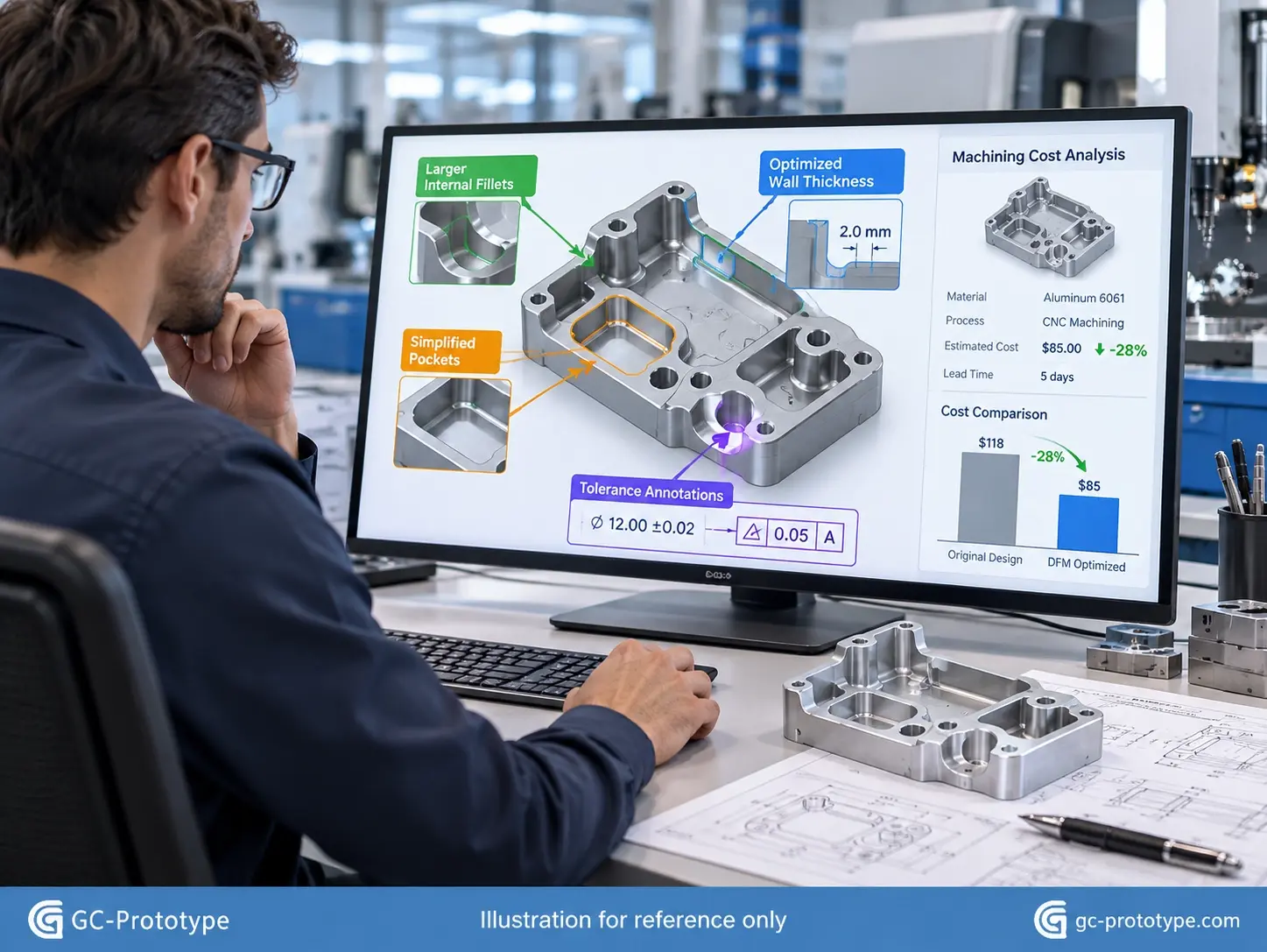
Design for Manufacturability (DFM) helps engineering teams improve manufacturability before production begins.
Critical features such as bearing seats and sealing surfaces may require demanding tolerances.
Nonfunctional exterior surfaces generally do not.
Applying tight tolerances selectively can reduce machining time, inspection requirements, and scrap risk.
Thin walls may deform during machining.
Small internal corner radii require small cutting tools, increasing machining time and tool deflection.
Where possible, engineers should use practical wall thicknesses and suitable internal radii.
Design changes that improve tool accessibility can reduce machining complexity.
Using standard stock sizes may also reduce material consumption.
For sheet metal prototypes, efficient nesting can improve material utilization.
DFM should consider the intended production method.
A CNC-machined prototype that will eventually transition to die casting or injection molding may require additional design considerations.
Evaluating these requirements early can reduce redesign during production transfer.
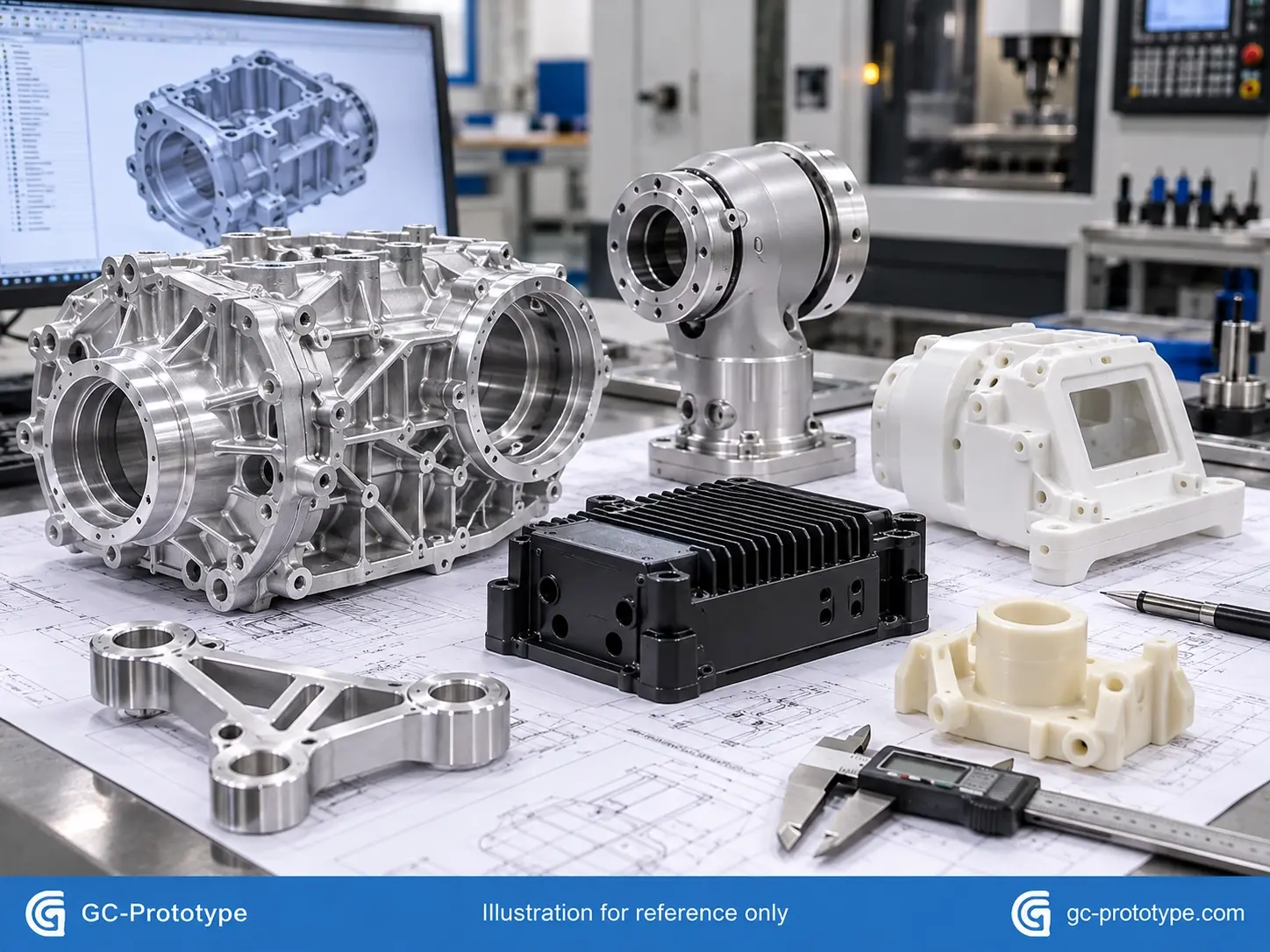
Functional prototypes support engineering development across numerous industries.
Automotive engineers use prototypes to validate:
EV motor housings
Battery cooling plates
Structural brackets
Sensor enclosures
CNC-machined aluminum components can support mechanical, thermal, and assembly testing.
Robotic systems require precise mechanical interfaces and reliable structural components.
Common examples include:
Robotic joint housings
Actuator brackets
Precision linkages
Sensor mounting components
Functional testing helps evaluate stiffness, assembly fit, and repeated mechanical movement.
Medical-device developers use functional prototypes for surgical equipment components, diagnostic housings, and precision mechanical assemblies.
Material selection and manufacturing requirements depend on the intended application and relevant quality requirements.
Aerospace engineers may validate lightweight brackets and structural interfaces.
Electronics manufacturers often prototype protective enclosures, heat-management components, and precision mounting structures.
A successful functional prototyping program should connect engineering development with future production requirements.
GC Prototype supports customers throughout the complete development process.
Engineers define component geometry, material specifications, critical tolerances, and functional requirements.
A DFM review identifies potential manufacturing challenges before production begins.
Prototype samples are manufactured using suitable processes such as CNC machining, 3D printing, sheet metal fabrication, or vacuum casting.
The prototypes are evaluated against engineering requirements, including mechanical fit, assembly performance, and relevant functional tests.
Pilot quantities help validate manufacturing consistency, inspection procedures, and production costs.
Once the design is stable, the manufacturing process can be optimized for production volume, quality, and cost.
Depending on the component, production may continue with CNC machining or transition to die casting, injection molding, or other scalable processes.
A complete Request for Quotation helps manufacturers understand project requirements and prepare accurate proposals.
Engineering teams should provide:
3D CAD/STEP models
2D engineering drawings
Material specifications
Critical dimensions and GD&T
Surface finish requirements
Procurement teams should also identify:
Prototype quantity
Functional testing objectives
Operating conditions
Inspection documentation
Expected delivery schedule
Potential future production quantities
This information helps suppliers recommend appropriate manufacturing processes and identify possible DFM improvements.
A functional prototype service manufactures physical components or assemblies used to evaluate mechanical fit, material performance, assembly reliability, and other engineering requirements before production.
Yes. Technologies such as SLS, MJF, and metal additive manufacturing can produce functional components.
However, suitability depends on the material, manufacturing process, and intended testing conditions.
CNC machining is often preferred when the prototype requires specific engineering stock materials, precision mating surfaces, accurate threads, or demanding dimensional tolerances.
3D printing may be more suitable for highly complex geometries or frequent early-stage design iterations.
Yes. Laser cutting is particularly effective for producing functional sheet metal brackets, panels, mounting plates, and enclosure components.
Additional bending or welding operations may be required to complete the assembly.
Cost depends on material, geometry, quantity, tolerances, inspection, and finishing.
The most accurate quotation requires a CAD model and clear manufacturing specifications.
Yes. Many manufacturing processes used for functional prototypes also support small-batch production.
As quantity increases, engineers may evaluate more economical production methods such as injection molding or die casting.
Functional prototypes are essential tools for reducing engineering uncertainty before production.
A professional functional prototype service helps engineering teams evaluate component geometry, material properties, dimensional accuracy, and assembly performance.
By combining CNC machining, 3d prototypes, and prototype laser cutting where appropriate, manufacturers can select efficient processes for different functional requirements.
Effective material selection, DFM optimization, and clear testing objectives help control development costs while improving manufacturing readiness.
GC Prototype supports customers throughout the complete development journey:
CAD → Prototype Samples → Functional Validation → Low-Volume Pilot Production → Mass Production Support
Ready to validate your next product with precision functional prototypes?
Whether you are a Mechanical Engineer developing complex assemblies or a Procurement Manager comparing CNC machining, 3D printing, and sheet metal fabrication, GC Prototype provides engineering-focused prototype manufacturing and production support.
We help customers evaluate manufacturing methods, optimize designs for manufacturability, and prepare components for further functional validation and scalable production.