Address:
Shenzhen Bao'an District Xinqiao Subdistrict Huangpu Community Huangpu East Ring Road No. 504 Shenzhen Yuan Industrial City Building C
Work Hours:
Monday to Friday: 9AM - 21PM
Weekend: 9AM - 21PM

Address:
Shenzhen Bao'an District Xinqiao Subdistrict Huangpu Community Huangpu East Ring Road No. 504 Shenzhen Yuan Industrial City Building C
Work Hours:
Monday to Friday: 9AM - 21PM
Weekend: 9AM - 21PM

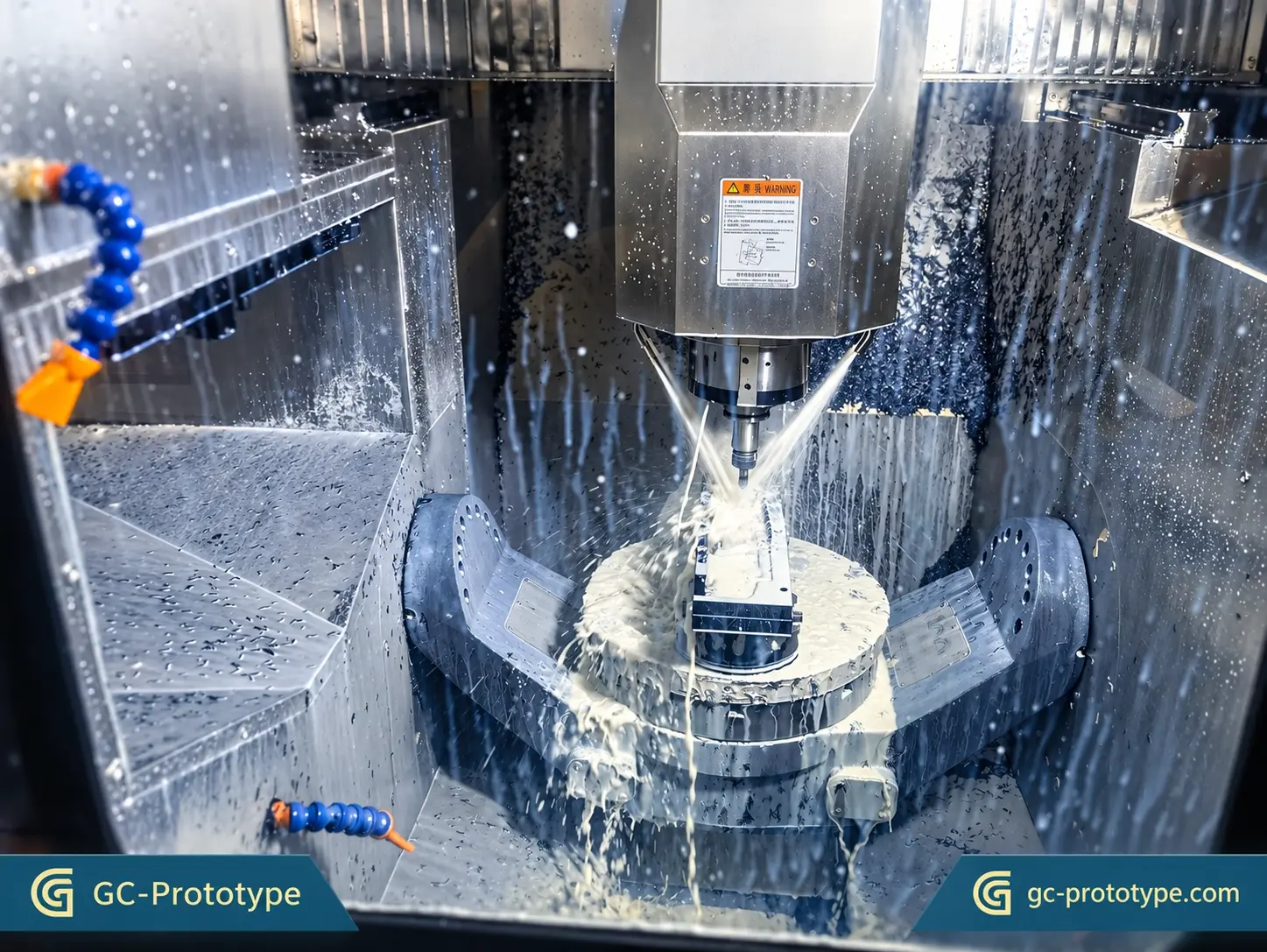
A CNC plastic prototype allows engineers to test dimensional accuracy, material performance, assembly fit, and mechanical functionality before investing in production tooling. Whether developing a plastic CNC prototype for robotics, medical devices, or electronic equipment, selecting the right polymer and machining strategy is essential. Compared with a CNC aluminum prototype, machined plastic components can offer lower weight, electrical insulation, chemical resistance, and reduced friction.
During new product introduction (NPI), functional plastic prototypes help engineering teams identify design problems before committing to expensive injection molds or larger production quantities.
However, machining engineering plastics presents challenges that differ from metal machining. Thermal expansion, moisture absorption, residual stress, and clamping deformation can affect dimensional accuracy and long-term performance.
This guide explains CNC plastic material selection, machining tolerances, manufacturing process comparisons, DFM optimization, costs, and the transition from CAD to production.
For Mechanical Engineers, Product Development Engineers, R&D Managers, and Procurement Managers, understanding these factors helps reduce manufacturing risks while controlling prototype budgets.
A CNC plastic prototype is a physical component manufactured from plastic stock using computer-controlled milling or turning equipment.
The process removes material from solid plastic sheets, rods, or blocks to create components based on a digital CAD model.
Typical applications include:
Electronic equipment housings
Robotic gears and bushings
Medical instrument components
Automotive sensor enclosures
Industrial automation parts
Precision insulating components
A typical manufacturing workflow includes:
CAD Design: Engineers create a 3D model defining the required geometry.
DFM Review: The design is evaluated for material, tolerances, and manufacturability.
CNC Programming: CAM software generates machining toolpaths.
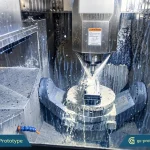
CNC Machining: Cutting tools remove material from plastic stock.
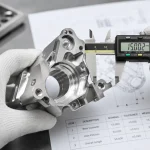
Inspection: Finished parts are checked against engineering requirements.
Unlike injection molding, CNC machining does not require dedicated production molds.
This flexibility is particularly valuable during early development when designs frequently change.
Appearance models primarily validate external shape, ergonomics, and visual design.
Functional plastic prototypes must demonstrate mechanical performance.
For example, a CNC-machined POM robotic bushing can be tested for friction and dimensional fit, while a PEEK component may be evaluated under elevated-temperature conditions.
The prototype should therefore use material properties representative of the intended application.
Material selection is one of the most important decisions in plastic prototype manufacturing.
Engineering plastics differ significantly in stiffness, temperature resistance, chemical compatibility, machinability, and cost.
Choosing the wrong material may cause premature wear, deformation, or inaccurate functional test results.
ABS is commonly used for electronic housings, covers, and general-purpose mechanical components.
It offers relatively low material cost and good machinability.
However, ABS has limited high-temperature performance compared with engineering polymers such as PEEK or PEI.
POM, commonly called acetal, is particularly suitable for precision mechanical components.
Its advantages include:
Good dimensional stability
Low friction
Excellent machinability
Good wear resistance
Typical applications include gears, bushings, rollers, and sliding mechanisms.
PEEK is a high-performance engineering polymer used in demanding industrial, medical, and aerospace applications.
It offers excellent chemical resistance, temperature capability, and mechanical performance.
However, PEEK is substantially more expensive than ordinary plastics.
Its use should be justified by functional requirements.
Nylon provides toughness and good wear performance.
It is often selected for:
Mechanical guides
Bushings
Rollers
Industrial components
However, many nylon grades absorb moisture, which can influence dimensions and mechanical properties.
Engineers should consider environmental conditioning when specifying tight tolerances.
Polycarbonate (PC) offers excellent impact resistance and is useful for protective covers and equipment housings.
Acrylic (PMMA) provides excellent optical clarity but is generally more brittle.
Machining conditions must be controlled to prevent cracking, heat damage, or excessive stress.
PEI offers good thermal stability and electrical insulation.
It is commonly considered for specialized electronic, industrial, and medical-equipment components where the selected grade meets the application requirements.
| Plastic Material | Main Advantage | Typical Applications | Main Limitation |
| ABS | Economical, easy to machine | Housings, covers | Limited heat resistance |
| POM / Delrin | Low friction, dimensional stability | Gears, bushings | Moderate temperature capability |
| PEEK | Heat and chemical resistance | Medical and industrial components | High material cost |
| Nylon | Toughness, wear resistance | Guides, rollers | Moisture absorption |
| Polycarbonate | Impact resistance | Protective housings | Stress-cracking sensitivity |
| PMMA / Acrylic | Optical clarity | Transparent covers | Brittle edges |
| PEI / Ultem | Heat resistance, insulation | Electronic components | Higher material cost |
Selecting the correct polymer requires evaluating both machining performance and actual operating conditions.
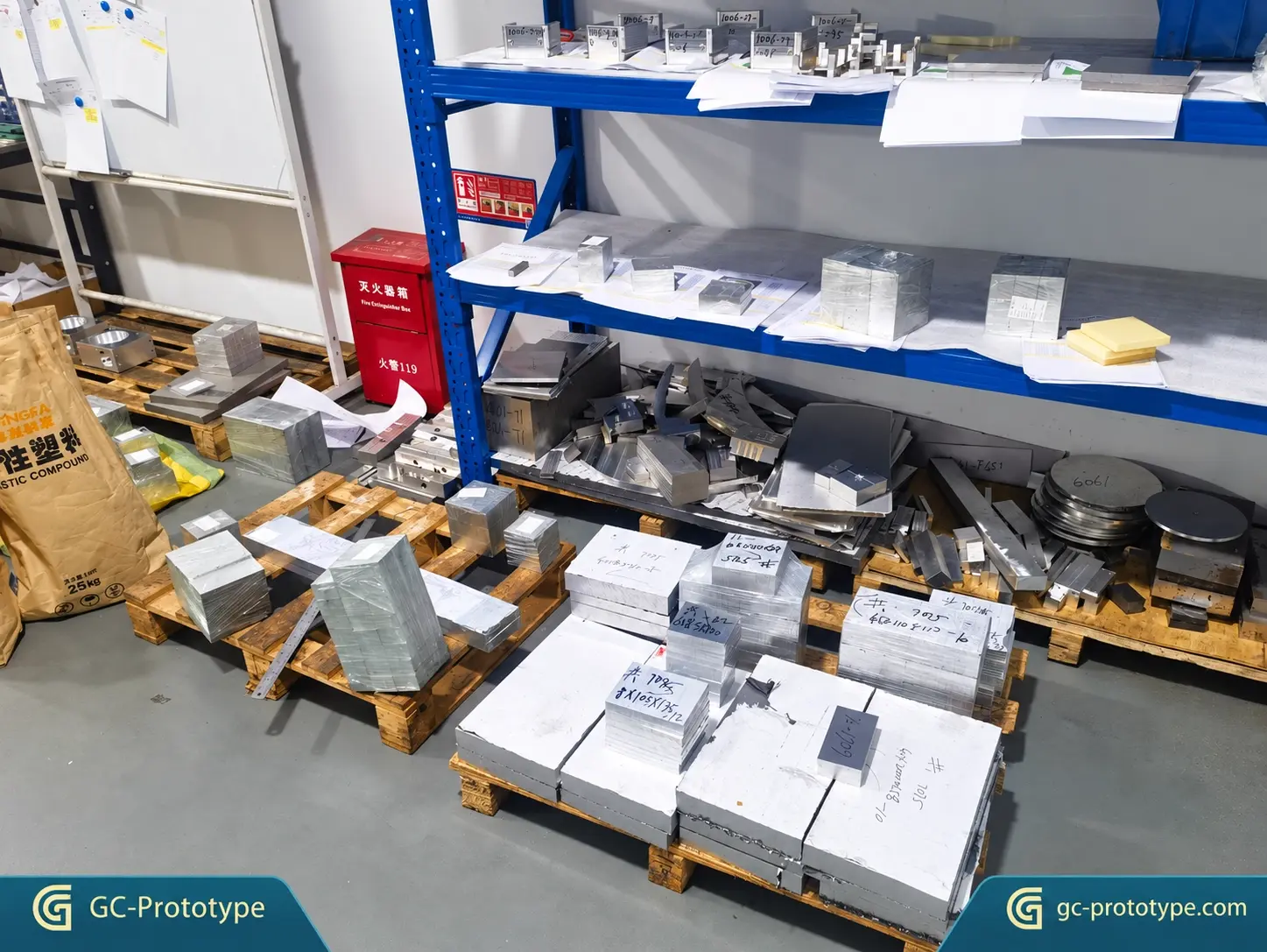
Plastic machining requires careful process control because polymers behave differently from metals.
Compared with aluminum or steel, many plastics have higher thermal expansion and lower stiffness.
These characteristics can influence dimensional stability during machining and inspection.
During machining, cutting forces may temporarily deform plastic components.
When the workpiece is released from its fixture, the material can recover or shift slightly.
Thin-wall features are particularly sensitive to clamping pressure.
A machining strategy designed for aluminum may therefore not be appropriate for POM, nylon, or PEEK.
Cutting generates heat.
Because many plastics conduct heat poorly, localized temperature increases can cause dimensional variation.
For demanding components, manufacturers may use:
Sharp cutting tools
Controlled cutting parameters
Appropriate cooling methods
Staged roughing and finishing
Temperature-stabilized inspection
Intermediate stress relief may be appropriate for certain plastic grades and geometries.
However, any annealing process should follow material-specific recommendations.
Nylon can absorb moisture from the surrounding environment.
This may affect:
Dimensions
Stiffness
Mechanical strength
Assembly fit
For precision nylon components, engineering drawings should establish relevant inspection and operating conditions.
Typical CNC plastic machining tolerances depend on geometry, material, stock condition, and process capability.
| Tolerance Requirement | Relative Difficulty | Typical Application |
| ±0.10 mm | Lower | General housings |
| ±0.05 mm | Moderate | Mechanical assemblies |
| ±0.025 mm | Higher | Precision plastic interfaces |
| ±0.01 mm | Specialized | Selected critical features |
These values are illustrative. Actual achievable tolerances must be evaluated for each component.
Unnecessarily tight tolerances increase machining time, inspection requirements, and manufacturing cost.
Engineering teams should specify strict tolerances only where function requires them.
Selecting the right manufacturing method depends on prototype quantity, geometry, material properties, and testing requirements.
CNC machining produces components from solid plastic stock.
FDM printing builds parts through deposited layers, while SLS uses powdered polymer material.
CNC machining is particularly attractive when engineers require:
Precisely machined interfaces
Smooth sealing surfaces
Strong threaded features
Functional testing using a specified stock material
SLS and other industrial polymer additive processes can also produce functional parts, especially where complex geometry or rapid iteration is important.
SLA printing provides fine detail and smooth surfaces.
However, the mechanical properties and environmental durability of an SLA resin may differ significantly from those of engineering thermoplastics.
For example, a visually accurate SLA housing may not provide representative performance for a final PEEK or POM component.
Injection molding is usually more economical at sufficient production volumes but requires tooling investment.
CNC machining avoids this initial tooling cost and allows design changes during development.
However, CNC-machined stock and injection-molded components can have different residual stresses, material orientation, and shrinkage characteristics.
Production validation must account for those differences.
| Evaluation Factor | CNC Plastic Machining | 3D Printing | Injection Molding |
| Initial Tooling Cost | Low | Low | High |
| Tight Functional Interfaces | Excellent | Process-dependent | Excellent with validated tooling |
| Complex Internal Geometry | Limited by tool access | Excellent | Design-dependent |
| Material Selection | Engineering plastic stock | Process-specific materials | Moldable thermoplastics |
| Design Changes | Easy | Easy | May require mold changes |
| Small Prototype Quantities | Excellent | Excellent | Often less economical |
| High-Volume Production | Higher unit cost | Application-dependent | Often most economical |
For 1–100 functional plastic prototypes, CNC machining and 3D printing are often strong candidates.
The best choice depends on component requirements rather than quantity alone.
A CNC aluminum prototype may be more suitable than a plastic prototype when structural rigidity, thermal conductivity, or metallic mechanical performance is essential.
Aluminum offers higher stiffness and much better heat transfer than most engineering plastics.
However, plastics can provide lower weight and greater electrical insulation.
Engineering plastics are often selected for components requiring electrical isolation.
Aluminum can be preferable for enclosures requiring conductive electromagnetic shielding, provided that grounding and coating requirements are properly designed.
| Engineering Factor | CNC Plastic Prototype | CNC Aluminum Prototype |
| Weight | Generally lower | Higher |
| Structural Stiffness | Lower | Higher |
| Electrical Insulation | Usually excellent | Conductive |
| Thermal Conductivity | Generally low | High |
| Corrosion Behavior | Material-dependent | Alloy/coating-dependent |
| Typical Applications | Gears, insulating components, housings | Motor housings, structural brackets, heat sinks |
The correct choice depends on the component’s function.
For example, a POM robotic bushing may offer better sliding performance in a particular application, while an aluminum actuator housing may provide greater structural rigidity.
CNC plastic prototype cost depends on several factors:
Material selection
Raw stock dimensions
Part complexity
Machine setup
Machining time
Quantity
Dimensional tolerances
Inspection requirements
Materials such as ABS and POM are generally more economical than specialty polymers such as PEEK.
However, material price alone does not determine the final quotation.
A simple PEEK part may require less machining time than a highly complex ABS component.
Programming and setup costs are particularly important for low-quantity orders.
For example, consider an illustrative project with:
Programming and setup: $180
Variable machining cost: $55 per component
| Quantity | Total Manufacturing Cost | Average Unit Cost |
| 1 | $235 | $235.00 |
| 10 | $730 | $73.00 |
| 50 | $2,930 | $58.60 |
| 100 | $5,680 | $56.80 |
Illustrative calculation only. These figures are not actual GC Prototype quotations or verified market prices.
As quantity increases, fixed programming and setup costs are distributed across more components.
However, total cost also depends on material utilization, machining complexity, and inspection.
3D printing may be economical for simple early-stage concept models or geometries that would be difficult to machine.
CNC machining may offer better value when a prototype requires specific engineering thermoplastics, accurate functional interfaces, or reliable threaded features.
Procurement teams should compare total manufacturing costs rather than machine time alone.
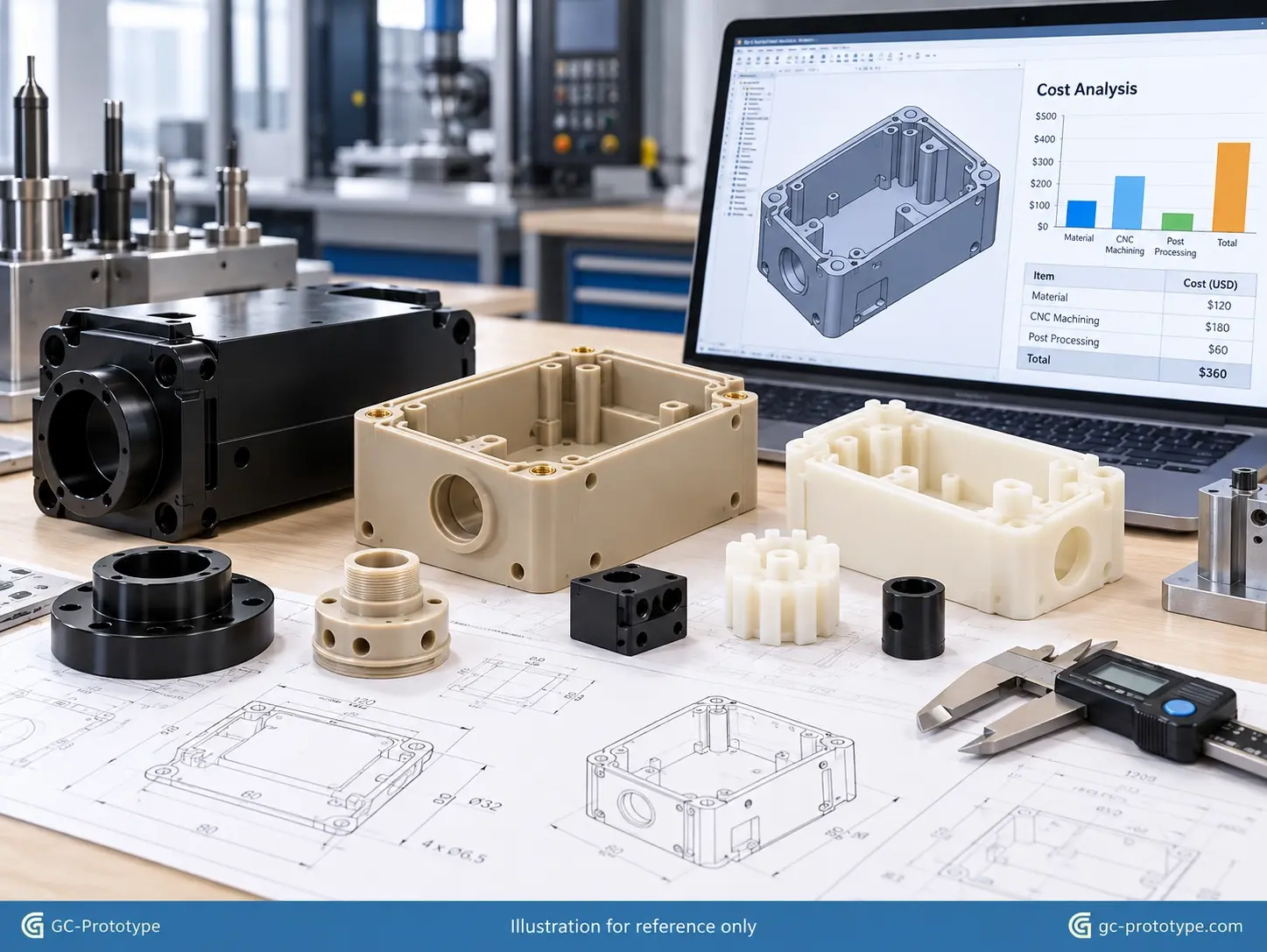
Design for Manufacturability helps engineers reduce machining costs while maintaining functional performance.
Very thin plastic walls can deform during machining.
Excessively small internal corner radii require small cutting tools, increasing machining time.
Where possible, engineers should use practical wall thicknesses and standard cutter radii.
Plastic components may distort because of cutting heat, stock residual stress, or aggressive workholding.
For demanding geometries, manufacturers can use staged machining, lighter finishing cuts, and appropriate material stabilization.
Not every feature requires precision-level dimensional control.
Critical mounting interfaces and sliding surfaces may need tighter requirements.
Nonfunctional exterior geometry can often use broader tolerances.
Deep pockets, narrow cavities, and inaccessible internal features increase machining difficulty.
Simplifying these features can improve tool access and reduce cycle time.
For expensive polymers such as PEEK, designing around available stock dimensions may also significantly reduce material waste.
Robotics manufacturers use CNC-machined plastic components for:
Precision gears
Bushings
Sliding guides
Insulating brackets
POM and PEEK are commonly considered when friction, wear, or temperature performance matters.
Medical-device engineers may use selected engineering plastics for surgical equipment housings, instrument components, and diagnostic assemblies.
Material suitability depends on the device’s mechanical, chemical, sterilization, and regulatory requirements.
Automotive development may require functional plastic prototypes for:
Sensor housings
Electrical connectors
Insulating components
Mechanical guides
CNC machining supports testing before injection molding or other production processes.
Electronic equipment manufacturers use machined plastics for protective covers, insulating structures, and precision housings.
Material selection should consider heat, chemical exposure, dimensional requirements, and assembly conditions.
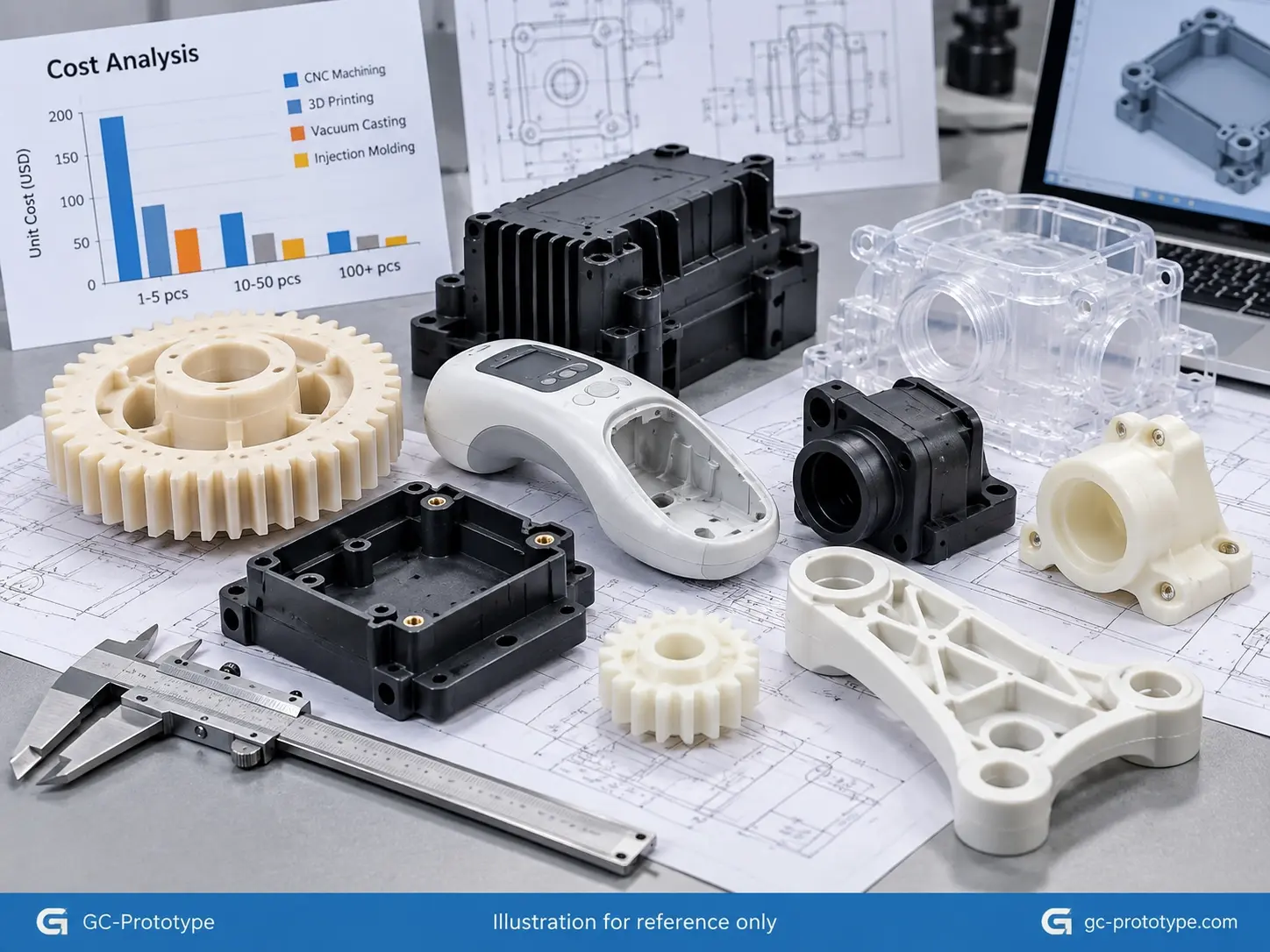
GC Prototype supports customers throughout the product-development process.
Engineering teams define geometry, materials, critical tolerances, and manufacturing requirements.
Functional plastic components are manufactured for dimensional and assembly evaluation.
Prototypes undergo appropriate mechanical, environmental, thermal, or assembly testing.
Pilot quantities help evaluate manufacturing repeatability and production costs.
Once the design is stable, the manufacturing strategy can be optimized for volume.
Depending on quantity and geometry, production may continue with CNC machining or transition to injection molding.
A complete RFQ helps manufacturers provide accurate quotations and identify potential DFM problems early.
Recommended information includes:
3D CAD/STEP files: Define component geometry.
2D engineering drawings: Specify critical dimensions and GD&T.
Material grade: Identify the required polymer and condition.
Quantity: Include prototype and potential future production volumes.
Surface requirements: Specify functional or cosmetic finishes.
Inspection expectations: Identify necessary dimensional reports.
Delivery requirements: Provide the expected project schedule.
For demanding applications, engineers should also communicate operating temperature, chemical exposure, mechanical loads, and any special compliance requirements.
A CNC plastic prototype is a functional or visual component manufactured from plastic stock through computer-controlled machining.
It allows engineers to evaluate product geometry, assembly, and material performance before production.
Common materials include ABS, POM, PEEK, nylon, polycarbonate, acrylic, and PEI.
The best choice depends on mechanical loads, temperature, chemical exposure, dimensional requirements, and budget.
Yes. CNC machining can produce precision plastic components, but achievable tolerances depend on the material, geometry, thermal stability, workholding, and inspection method.
Neither process is universally better.
CNC machining is often preferred for functional parts requiring specified stock materials and precision interfaces, while 3D printing excels at complex geometries and rapid concept iteration.
Cost depends on material, geometry, quantity, machining time, tolerances, and finishing.
Providing complete engineering drawings helps suppliers prepare more accurate quotations.
Not always.
Some common plastics may be less expensive than aluminum, while specialty polymers such as PEEK can cost substantially more.
Machining time and component complexity also affect the total price.
Simple parts using available materials may be manufactured within several working days.
Complex geometries, demanding tolerances, or specialized materials can increase lead time.
Yes.
CNC machining is suitable for many low-volume applications, especially when tooling investment would not be economical.
For higher quantities, injection molding may offer lower unit costs.
Successful plastic prototype development requires more than simply selecting a CNC machine.
Material selection, dimensional stability, functional tolerances, manufacturing methods, and cost optimization all influence the final result.
A properly designed CNC plastic prototype allows engineering teams to verify mechanical fit, material performance, and assembly functionality before committing to production tooling.
By choosing the right materials and applying practical DFM principles, manufacturers can improve prototype reliability while controlling development costs.
Whether you require a plastic CNC prototype for robotics, medical equipment, automotive applications, or industrial electronics, early manufacturing collaboration helps reduce unnecessary revisions.
GC Prototype supports customers through the complete development journey:
CAD → Prototype Samples → Functional Validation → Low-Volume Pilot Production → Mass Production Support
Ready to turn your CAD designs into precision CNC plastic prototypes?
Whether you are a Mechanical Engineer developing tight-tolerance functional components or a Procurement Manager comparing CNC machining, 3D printing, and injection molding, GC Prototype provides engineering-focused manufacturing support.
Our services help you select suitable materials, optimize designs for manufacturability, validate functionality, and prepare for scalable production.